Common Crop Pests and How Modern Pesticides Control Them
Fortunately, modern pesticides have evolved to provide targeted, safer, and more efficient solutions for protecting crops. In this blog, we’ll explore common crop pests and how modern pesticides help control them effectively.
1. Insect Pests
Common Examples:
Aphids
Whiteflies
Caterpillars
Armyworms
Stem borers
Thrips
Insect pests feed on leaves, stems, roots, or fruits, weakening plants and spreading diseases. Severe infestations can lead to major crop losses.
How Modern Pesticides Help:
Modern insecticides are designed to:
Target specific insect species
Disrupt feeding or reproduction cycles
Act quickly with long-lasting protection
Minimize harm to beneficial insects
Systemic insecticides are absorbed by the plant, protecting it from the inside, while contact insecticides kill pests upon direct exposure.
2. Fungal Diseases
Common Examples:
Powdery mildew
Rust
Blight
Downy mildew
Leaf spot
Fungal infections can spread rapidly under humid conditions, causing leaf damage, fruit rot, and reduced crop quality.
How Modern Pesticides Help:
Modern fungicides:
Prevent fungal growth before infection spreads
Stop spore development
Provide protective and curative action
Offer targeted control with minimal crop stress
Many advanced fungicides are designed to work at specific stages of fungal development, increasing effectiveness.
3. Weed Infestation
Common Examples:
Crabgrass
Amaranthus (Pigweed)
Parthenium
Nutgrass
Broadleaf weeds
Weeds compete with crops for nutrients, sunlight, and water, significantly reducing productivity.
How Modern Pesticides Help:
Modern herbicides:
Selectively target weeds without harming crops
Control pre-emergent and post-emergent weeds
Reduce labor-intensive manual weeding
Improve crop growth and yield
Selective herbicides are formulated to kill weeds while protecting the main crop, making them highly efficient.
4. Bacterial and Viral Infections
Though less visible, bacterial and viral diseases can severely impact crop health.
How Modern Pesticides Help:
Specialized bactericides prevent bacterial spread
Vector control insecticides reduce virus transmission
Integrated solutions manage both primary infection and spread
Managing the carriers (such as aphids and whiteflies) plays a crucial role in controlling viral diseases.
5. Soil-Borne Pests
Common Examples:
Nematodes
Root maggots
Termites
These pests attack plant roots, reducing nutrient absorption and stunting growth.
How Modern Pesticides Help:
Modern soil treatments and nematicides:
Protect roots from early-stage damage
Improve plant strength
Enhance overall yield
Seed treatment pesticides also protect crops during early growth stages.
Advantages of Modern Pesticides
Today’s pesticide technologies are more advanced and safer compared to older generations. Key benefits include:
Target-specific formulations
Reduced environmental impact
Lower required dosages
Improved resistance management
Compatibility with Integrated Pest Management (IPM)
Farmers are encouraged to rotate pesticide types and follow recommended guidelines to prevent resistance development.
Responsible Use is Key
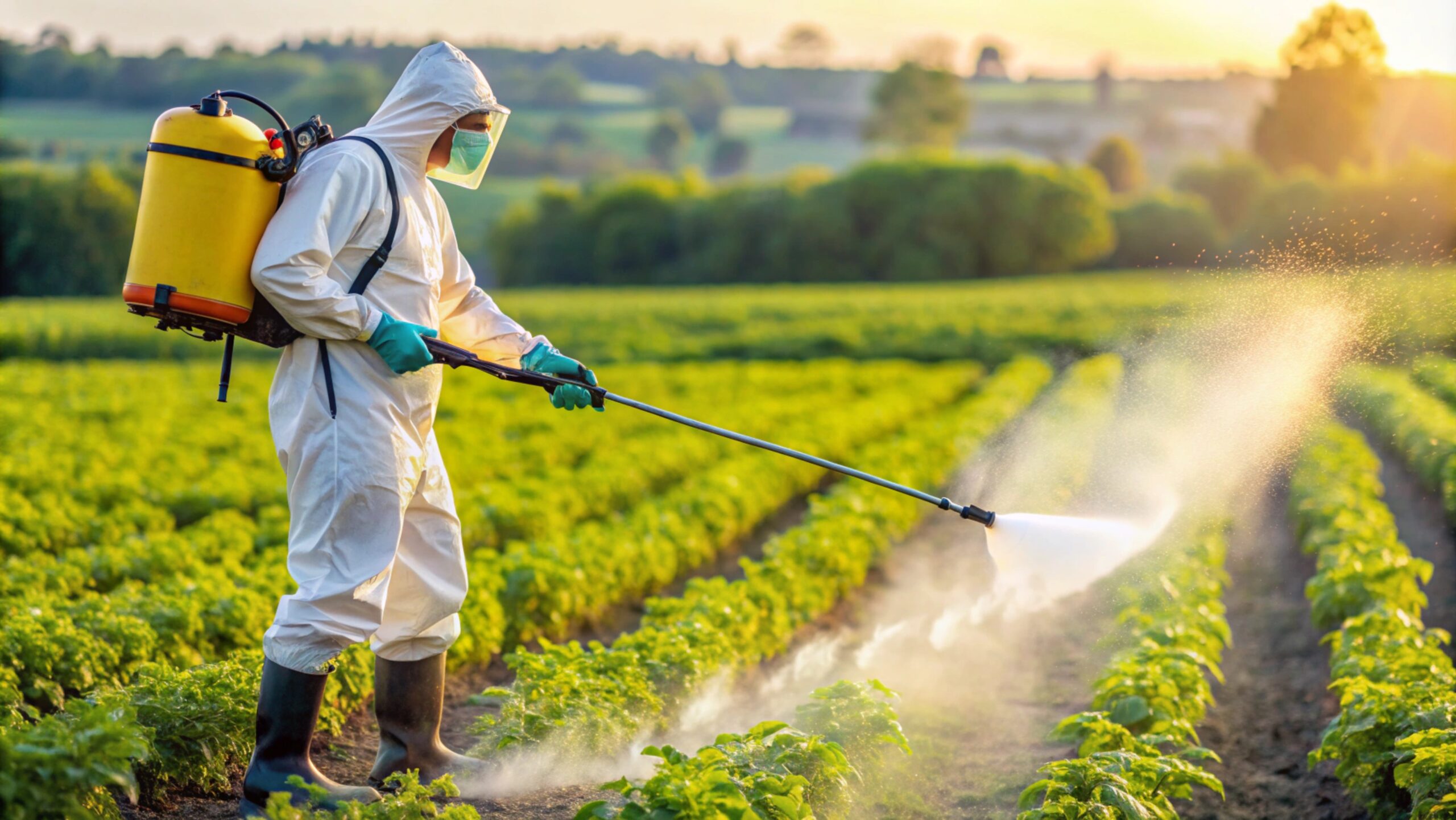
While modern pesticides are powerful tools, proper application is essential. Farmers should:
Follow recommended dosage and timing
Use protective equipment
Rotate chemical groups
Combine chemical and biological control methods
Monitor pest levels before application
Responsible usage ensures long-term sustainability and environmental protection.
By teaching agriculture, we help preserve cultural traditions, farming wisdom, and environmental ethics that have been passed down through generations. This ensures continuity and respect for the land and its resources.
Crop pests are unavoidable, but with the help of modern pesticides, farmers can effectively protect their crops, improve yields, and ensure food security. Today’s advanced pesticide solutions provide targeted control, reduced environmental impact, and better safety standards.
By combining modern technology with responsible farming practices, we can achieve healthier crops and more sustainable agriculture for the future.